
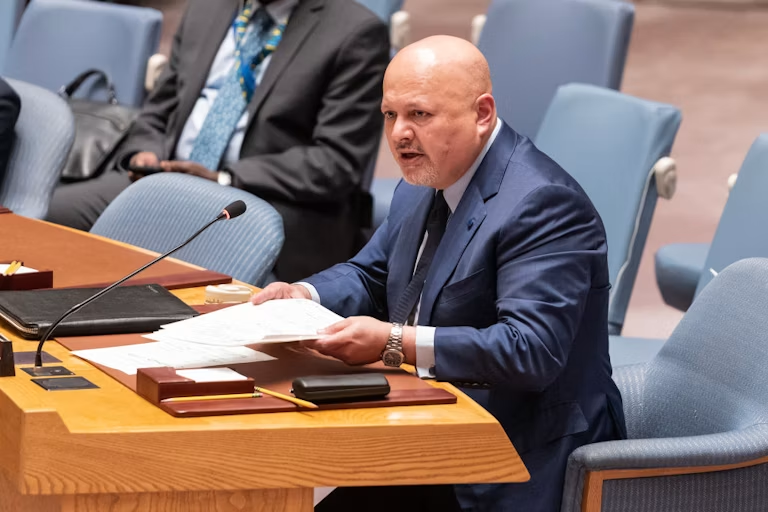

Political trials have become a growing feature of global headlines, with former presidents, opposition leaders, government officials, and influential political figures increasingly facing court cases over corruption allegations, election disputes, abuse of power, and other charges.
From established democracies to emerging political systems, the rise in high-profile legal battles has sparked a major debate: are these cases signs of stronger accountability, or are courts becoming tools in political conflicts?
A Changing Global Political Environment
Over the past decade, many countries have experienced rising political tension, stronger public demands for transparency, and deeper divisions between ruling parties and opposition movements. These pressures have contributed to an increase in investigations and prosecutions involving political figures.
In some cases, former leaders have been brought before courts after leaving office, with authorities arguing that no individual should be above the law. Supporters of such trials often describe them as necessary steps toward fighting corruption and protecting democratic institutions.
However, critics warn that political trials can also be influenced by governments seeking to weaken opponents, remove competitors, or reshape public opinion.
Why Are Political Trials Becoming More Common?
1. Greater Focus on Accountability
Many societies are demanding higher standards from public officials. The growth of investigative journalism, civil society organizations, and digital communication has made it harder for alleged misconduct by powerful figures to remain hidden.
Anti-corruption agencies and judicial institutions in several countries have increased investigations into issues such as misuse of public funds, election-related violations, and conflicts of interest.
2. Political Competition Has Become More Intense
Modern elections have become increasingly competitive, with parties fighting not only for power but also for influence over national institutions.
When governments change, new administrations sometimes reopen investigations into previous leaders. This can lead to a cycle where political opponents face legal pressure after losing power.
3. Social Media and Public Pressure
The internet has transformed how political controversies develop. Allegations that once took months to gain attention can now become global stories within hours.
Public campaigns demanding justice or punishment can place pressure on prosecutors and courts, making political cases more visible than ever before.
4. Weak or Divided Institutions
In countries where judicial independence is questioned, courts may struggle to maintain public confidence.
A fair legal system requires investigations based on evidence, transparent procedures, and equal treatment regardless of political status. When these principles are missing, political trials can become controversial.
Examples of Political Trials Across Different Regions
Around the world, several former leaders and political figures have faced legal proceedings in recent years.
In some countries, former presidents have been prosecuted for corruption, election-related crimes, or alleged violations committed while in office. In others, opposition figures have accused governments of using legal systems to limit political competition.
Each case carries its own facts, but together they show a broader global trend: politics and the justice system are becoming increasingly connected.
The Difference Between Justice and Political Persecution
A major challenge in political trials is separating genuine accountability from political targeting.
Experts often look at several factors when assessing whether a case is credible:
- Whether the evidence is publicly available
- Whether courts operate independently
- Whether similar actions are investigated across political groups
- Whether defendants receive fair legal rights
- Whether proceedings follow established laws
A trial involving a political figure is not automatically political persecution, just as a prosecution is not automatically proof of corruption. The details of each case matter.
What This Means for Democracy
Political trials can strengthen democracy when they show that leaders can be held responsible for their actions. They can also damage democracy when legal institutions lose public trust or become tools for political battles.
The future of democratic systems may depend on maintaining a balance: powerful people must answer to the law, but the law must also remain independent from political interests.
What Readers Should Watch Next
As political conflicts continue around the world, observers will likely focus on:
- The independence of courts and prosecutors
- How governments handle former leaders
- Whether opposition groups receive equal treatment
- The role of international organizations in monitoring justice systems
The increase in political trials is not just a legal story — it reflects a deeper struggle over power, accountability, and the future direction of governance worldwide.
Kindly Share:

Discover more from LMSINT MEDIA
Subscribe to get the latest posts sent to your email.