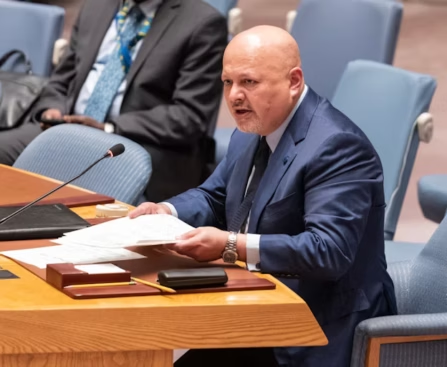
Why Political Trials Are Increasing Around the World: The New Battle Between Justice and Power

Political trials have become a growing feature of global headlines, with former presidents, opposition leaders, government officials, and influential political figures increasingly facing court cases over corruption allegations, election disputes, abuse of power, and other charges. From established democracies to emerging political systems, the rise in high-profile legal battles has sparked a major debate: are these cases signs of stronger accountability, or are courts becoming tools in political conflicts? A Changing Global Political Environment Over the past decade, many countries have experienced rising political tension, stronger public demands for transparency, and deeper divisions between ruling parties and opposition movements. These pressures have contributed to an increase in investigations and prosecutions involving political figures. In some cases, former leaders have been brought before courts after leaving office, with authorities arguing that no individual should be above the law. Supporters of such trials often describe them as necessary steps toward fighting corruption and protecting democratic institutions. However, critics warn that political trials can also be influenced by governments seeking to weaken opponents, remove competitors, or reshape public opinion. Why Are Political Trials Becoming More Common? 1. Greater Focus on Accountability Many societies are demanding higher standards from public officials. The growth of investigative journalism, civil society organizations, and digital communication has made it harder for alleged misconduct by powerful figures to remain hidden. Anti-corruption agencies and judicial institutions in several countries have increased investigations into issues such as misuse of public funds, election-related violations, and conflicts of interest. 2. Political Competition Has Become More Intense Modern elections have become increasingly competitive, with parties fighting not only for power but also for influence over national institutions. When governments change, new administrations sometimes reopen investigations into previous leaders. This can lead to a cycle where political opponents face legal pressure after losing power. 3. Social Media and Public Pressure The internet has transformed how political controversies develop. Allegations that once took months to gain attention can now become global stories within hours. Public campaigns demanding justice or punishment can place pressure on prosecutors and courts, making political cases more visible than ever before. 4. Weak or Divided Institutions In countries where judicial independence is questioned, courts may struggle to maintain public confidence. A fair legal system requires investigations based on evidence, transparent procedures, and equal treatment regardless of political status. When these principles are missing, political trials can become controversial. Examples of Political Trials Across Different Regions Around the world, several former leaders and political figures have faced legal proceedings in recent years. In some countries, former presidents have been prosecuted for corruption, election-related crimes, or alleged violations committed while in office. In others, opposition figures have accused governments of using legal systems to limit political competition. Each case carries its own facts, but together they show a broader global trend: politics and the justice system are becoming increasingly connected. The Difference Between Justice and Political Persecution A major challenge in political trials is separating genuine accountability from political targeting. Experts often look at several factors when assessing whether a case is credible: A trial involving a political figure is not automatically political persecution, just as a prosecution is not automatically proof of corruption. The details of each case matter. What This Means for Democracy Political trials can strengthen democracy when they show that leaders can be held responsible for their actions. They can also damage democracy when legal institutions lose public trust or become tools for political battles. The future of democratic systems may depend on maintaining a balance: powerful people must answer to the law, but the law must also remain independent from political interests. What Readers Should Watch Next As political conflicts continue around the world, observers will likely focus on: The increase in political trials is not just a legal story — it reflects a deeper struggle over power, accountability, and the future direction of governance worldwide.

Top 5 Countries Where Politicians Frequently Face Court Cases: A Look at Power, Accountability and Legal Battles

Political power often comes with influence, but in many countries it also comes with intense legal scrutiny. Across the world, elected officials and former leaders have repeatedly found themselves in courtrooms over allegations ranging from corruption and misuse of public funds to abuse of office, election-related offences, and human rights violations. While court cases involving politicians do not always mean guilt, frequent legal battles involving public figures often reveal deeper issues within a nation’s political system — including the strength of judicial institutions, anti-corruption efforts, political rivalry, and public demand for accountability. Here are five countries that have gained attention for the high frequency of court cases involving politicians. 1. Italy — A Long History of Political Legal Battles Italy has experienced decades of legal controversies involving high-profile politicians. The country’s political landscape has often been connected with major investigations into corruption, organised crime links, financial misconduct, and abuse of power. One of the most notable periods was the “Clean Hands” (Mani Pulite) investigations in the 1990s, which uncovered widespread corruption among political parties and business leaders. The investigations reshaped Italian politics and led to the collapse of several traditional political groups. Since then, Italian politicians have continued to face court proceedings, although cases often involve complex legal processes that can last for years. 2. Brazil — Anti-Corruption Investigations Target Powerful Figures Brazil has seen some of the world’s most significant corruption investigations involving political leaders. The country’s judicial system has investigated numerous lawmakers, governors, ministers, and presidents over allegations linked to public contracts, bribery, and misuse of state resources. The major “Car Wash” (Lava Jato) operation, launched in 2014, became one of the largest anti-corruption investigations in history, exposing alleged networks involving politicians and major companies. The cases sparked national debates about corruption, justice, and the relationship between politics and business. 3. South Africa — Leaders Facing Accountability Questions South Africa has also witnessed several high-profile court cases involving politicians, particularly around corruption allegations and government spending. Former officials and senior political figures have faced investigations connected to state resources, procurement deals, and alleged misconduct. The country’s legal institutions, including its courts and investigative bodies, have played a major role in examining claims involving political figures. These cases have become central to discussions about transparency and public trust. 4. Nigeria — Political Figures Frequently In Court Over Allegations Nigeria has recorded many court cases involving politicians, with allegations often linked to corruption, financial crimes, election disputes, and abuse of office. Former governors, ministers, lawmakers, and other public officials have faced investigations and prosecutions by anti-corruption agencies. The country’s anti-graft bodies have continued to pursue cases involving alleged mismanagement of public funds, although many proceedings take years before reaching final judgments. Political disputes also contribute to frequent court appearances, especially during and after elections, when candidates challenge results or eligibility issues. 5. United States — Politicians Facing Legal Scrutiny at the Highest Levels The United States has also seen prominent politicians involved in major legal cases. Former presidents, governors, lawmakers, and political figures have faced investigations involving campaign finance issues, classified information disputes, corruption allegations, and other legal matters. Because of its highly visible political environment and independent court system, legal proceedings involving American politicians often attract global attention. However, the existence of a court case does not automatically indicate wrongdoing, as legal outcomes depend on evidence and judicial decisions. Why Politicians End Up In Court So Often Several factors contribute to frequent court cases involving political leaders: What Happens Next? As governments continue to demand transparency, legal battles involving politicians are likely to remain a major global issue. The focus is not only on who appears in court, but also whether investigations are conducted fairly, evidence is properly examined, and justice systems remain independent. For citizens, the bigger question is whether these cases lead to stronger accountability and improved governance. Note: A politician facing a court case is not the same as being convicted. Court proceedings must be determined through legal evidence and judicial decisions.