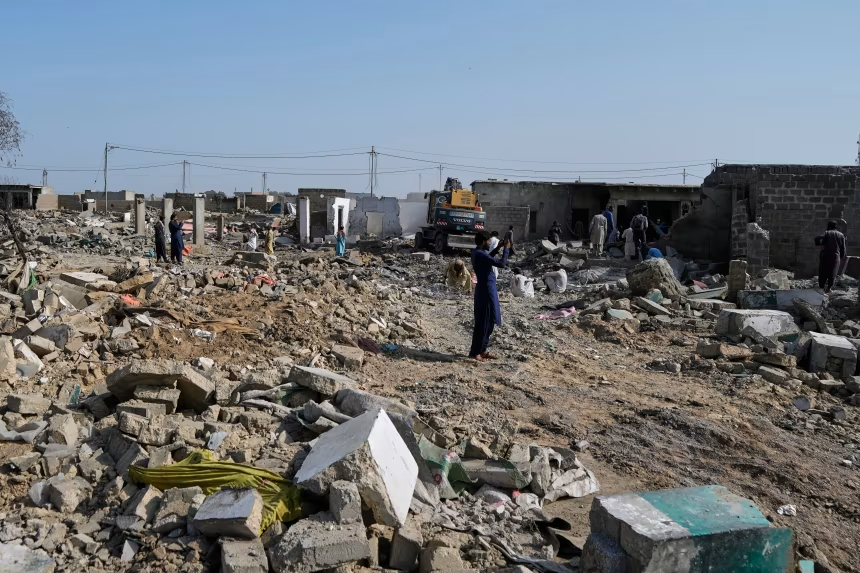
Pakistan and Afghanistan have committed to an immediate ceasefire following over a week of lethal border confrontations, the Qatari Foreign Ministry announced early Sunday. This accord comes after earlier attempts at truce failed to hold. During mediation by Qatar and Turkey, both nations consented to suspend hostilities and pursue a path toward “lasting peace and stability.” The move occurred amid escalating accusations from the Taliban-led Afghan government, which claimed Pakistani forces escalated their airstrikes within Afghanistan. The uptick in violence marked the most intense border conflict between the two neighbors since the Taliban assumed power in Kabul in 2021. Background to the Clash Tensions along the roughly 2,600 km frontier had been mounting, with Pakistan alleging that militant groups in Afghan territory had intensified cross-border attacks. In response, Islamabad conducted air operations targeting sites claimed to be militant bases. Kabul, in turn, accused Pakistan of violating sovereign boundaries and civilian areas. Previously, both nations agreed to a 48-hour ceasefire to de-escalate the situation. That short-term truce was extended to allow for ongoing dialogue in Doha, signaling a shift toward sustained diplomacy. Key Points in the Agreement Challenges Ahead While the ceasefire announcement brings a cautious optimism, lingering obstacles remain: If this ceasefire holds and evolves into a durable peace, it could reshape dynamics in South Asia, reducing instability along a historically volatile border.

