
Iran has issued a strong warning that it will respond forcefully if the United States launches any form of military action, as reports from activists indicate that hundreds of protesters have been killed amid a widening government crackdown.
Sources inside Tehran describe the situation as extremely dire, with heavy security presence and widespread use of live ammunition against demonstrators. One resident told reporters that conditions on the streets resemble an active battlefield, with bodies being removed in trucks and blood visible across major roads.
In addition to the fatalities, thousands of citizens have reportedly been arrested over the past two weeks as protests continue to spread across multiple provinces. Activist networks estimate that more than 10,000 people are currently being held in detention facilities.
U.S. Response and Military Considerations
Tensions escalated further after the United States warned it could take action in response to the killing of civilians. However, U.S. President Donald Trump stated on Sunday that Iranian officials had reached out seeking negotiations. Despite this, he indicated that Washington might act before any formal talks take place, adding that several aggressive options are under review.
Although no specific plan has been announced publicly, U.S. officials have confirmed that military strategies, including potential strikes, have been presented to the president. Other measures reportedly under consideration include expanded economic sanctions, cyber operations targeting Iran’s military infrastructure, and increased support for opposition voices online.
Iran’s parliamentary leadership reacted swiftly, cautioning that any American attack would place U.S. military assets and allies in the region, including Israel, at risk. Iranian officials stated that such locations would be considered legitimate targets in the event of escalation.
Protests Shift from Economic Anger to Political Demands
The demonstrations initially began as public outrage over worsening economic conditions and soaring inflation. Over time, however, the movement has evolved into a broader challenge against Iran’s clerical leadership, with protesters openly demanding the removal of Supreme Leader Ayatollah Ali Khamenei.
State authorities announced a three-day period of mourning, honoring individuals they described as martyrs killed during what they framed as a national struggle against the United States and Israel.

Hospitals Overwhelmed as Violence Intensifies
Medical workers across multiple cities have described overwhelming scenes. In the northern city of Rasht, dozens of bodies reportedly arrived at a single hospital within hours. Health professionals in Tehran said many victims died almost immediately after reaching emergency wards, having sustained gunshot wounds to the head or chest.
International journalists remain barred from reporting directly inside Iran, and a near-total internet shutdown imposed by authorities has made verification extremely challenging. Despite these obstacles, some footage has surfaced, showing lines of wrapped bodies in forensic centers and grieving families searching for missing relatives.
Clashes Captured on Video Across Major Cities
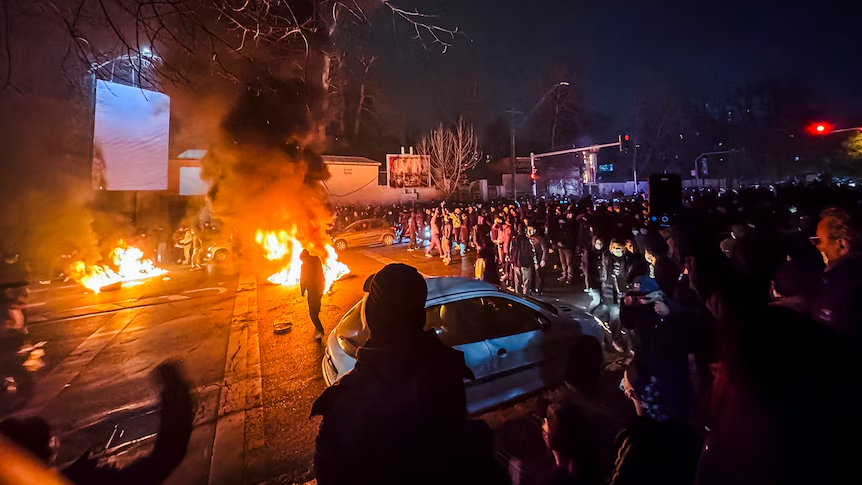
Verified videos from cities including Mashhad, Tehran, and Ilam reveal intense confrontations between protesters and security forces. Demonstrators were seen using makeshift barricades and fires for cover, while armed officers advanced in formation. Gunfire can be clearly heard in several clips, alongside chants calling for an end to clerical rule.
In Tehran neighborhoods such as Gisha, Punak, and Heravi, crowds filled the streets late into the night, banging pots and chanting slogans against the government. Similar unrest was recorded in western and southern regions, including Kermanshah and Bushehr.
Government Blames Foreign Influence
Internet access within Iran has been reduced to a restricted domestic network, with even internal connectivity severely limited. Technology experts say the blackout is more extensive than restrictions imposed during the 2022 protests. While satellite internet services like Starlink may offer limited access, analysts warn that such connections could be traced.
Exiled Royal Figure Addresses Protesters
Reza Pahlavi, the U.S.-based son of Iran’s last monarch, released a message praising the courage of demonstrators and urging them to continue protesting safely. He claimed that government forces were increasingly unwilling to suppress civilians, though these statements could not be independently confirmed.
Support for Iranian protesters has also surfaced abroad. In London, videos circulated online showing individuals removing Iran’s flag from its embassy balcony. Iranian authorities later summoned the UK ambassador in response.
A Crisis Echoing Past Uprisings
The current unrest represents the most widespread protests since 2022, when nationwide demonstrations erupted following the death of Mahsa Amini in morality police custody. That uprising resulted in hundreds of deaths and tens of thousands of arrests, according to human rights organizations.
As tensions continue to rise, fears are growing that the situation could spiral into a broader regional conflict if diplomatic efforts fail.
Kindly Share:

Discover more from LMSINT STORE
Subscribe to get the latest posts sent to your email.


